
Website for a Mechanic or Auto Repair Shop in Australia
A mechanic site has to build trust before the call. Here's what it needs — specific services, trust signals, and easy online booking.
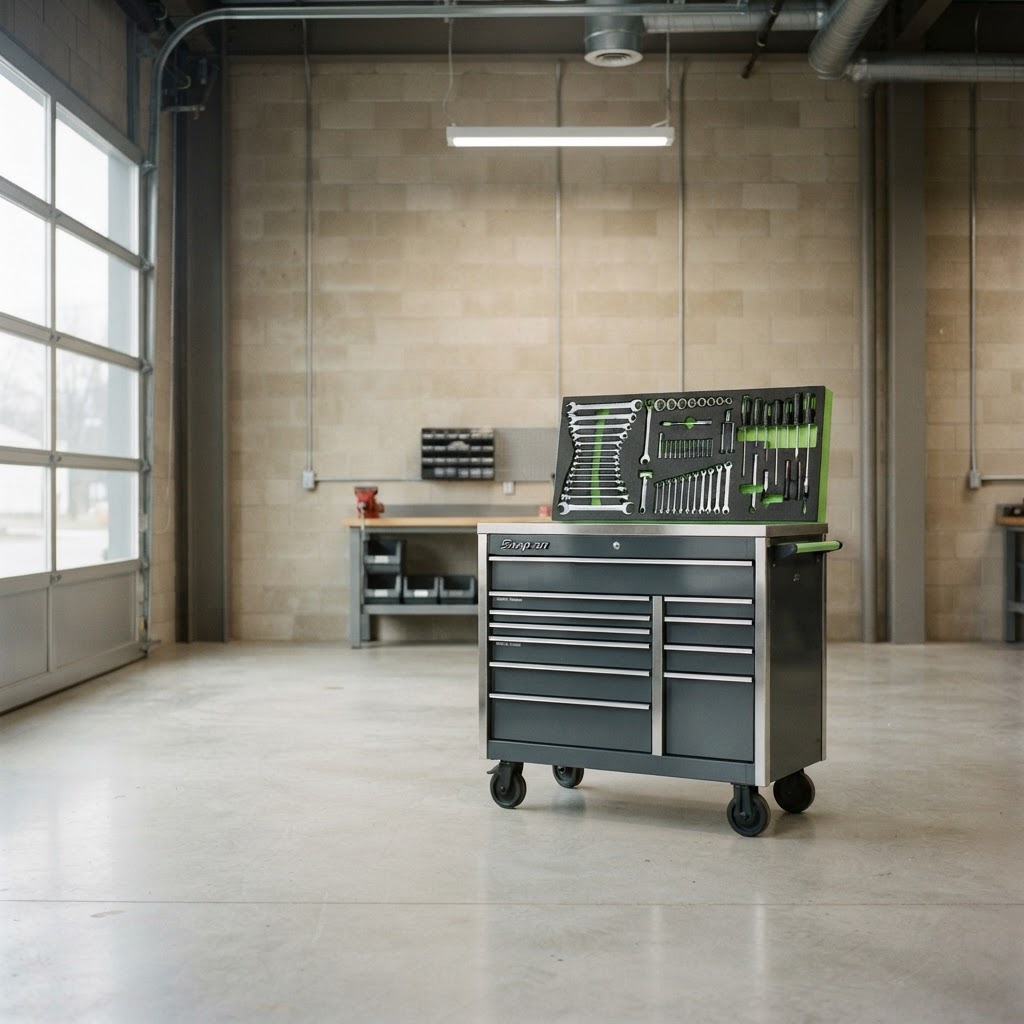
A mechanic's site has to get one thing: trust with cars
Mechanics and auto repair shops have a trust problem specific to their trade: a lot of customers don't know enough about cars to tell good work from bad, so they're choosing entirely on whether they trust the shop. The site's job is to build that trust before the call — to make a nervous car owner feel they won't be ripped off or misdiagnosed. The sites that fail look generic and faceless; the ones that work feel honest, local, and human.
Here's what a mechanic site needs.
Be specific about what you service and where
"Logbook and new-car servicing", "roadworthy and safety certificates", "brakes and suspension", "diagnostics and electrical", "European car specialists", "4WD and diesel". The person searching "car service [suburb]" or "logbook service [suburb]" needs to land on a page that says exactly that. A homepage that says "quality auto repairs" helps no one. Specific services, specific vehicle types, specific areas — this is the SEO and the conversion in one.
Trust signals are the whole pitch
Because car repair requires trust, the trust signals do the selling. How long you've been operating, qualifications and certifications, reviews from real named clients (or at least real suburbs), any vehicle or brand specialisations, a clear guarantee on work. A car owner deciding whether to trust you with a $2000 repair reads every one of these. This is the part that converts, and it's where most mechanic sites are thinnest.
Make booking a service easy
A car service is usually booked when something's due or wrong — "service due next week", "brakes squealing". Make booking easy: a short form (car make/model, what's needed, preferred time) or a clear "book a service" button. The friction of "call us during business hours" loses the people who'd rather book online at 9pm. (More on this: how to get more leads from your website.)
Local search is everything for a mechanic
Mechanics are intensely local — people search "mechanic [suburb]", "car service [suburb]", "roadworthy [suburb]". The shops that show up are the ones structured for it. A mechanic site with service pages and suburb-level content books more than one that doesn't. We wrote the diagnosis: why your website isn't getting any customers.
The pages a mechanic site needs
A homepage with services, trust signals, and a book button. A page per service. A page on your team and qualifications. A service-areas page. A contact page with hours and booking. That's the spine. A few articles on common car questions ("when to replace brake pads") help with search over time. (How many pages: how many pages a small business website should have.)
What to skip
Stock photos of pristine engines. "We fix all makes and models" with no specifics. A booking system that doesn't work. Anything that makes the shop feel like a faceless chain rather than a real local business. A mechanic site should feel honest, local, and easy to book a service from.
What it costs
A proper mechanic site — trust-led, specific, structured for local search — sits below what most shops assume. The numbers: how much a website costs. For a shop, it pays for itself in a few new regular customers.
See yours before you pay
Pick a style below, tell us about your shop and your area, and we'll mock up your site for free — no payment, no obligation. You'll see whether the version of your shop we'd put online is the one a car owner trusts enough to book.