
How Many Pages Should a Small Business Website Have?
Between four and seven, usually — and more is rarely better. Here's which pages earn their place and which are dead weight.
The number nobody actually needs to hit
If you came here looking for a single number, here's the honest one: for most small businesses, between four and seven pages is enough, and more is rarely better. The sites that struggle aren't usually the small ones — they're the ones padded with pages nobody will read, built because a template came with them or because someone heard "more pages is good for SEO". More empty pages isn't good for anything.
So the better question is: which pages earn their place, and which are dead weight?
The pages almost every small business needs
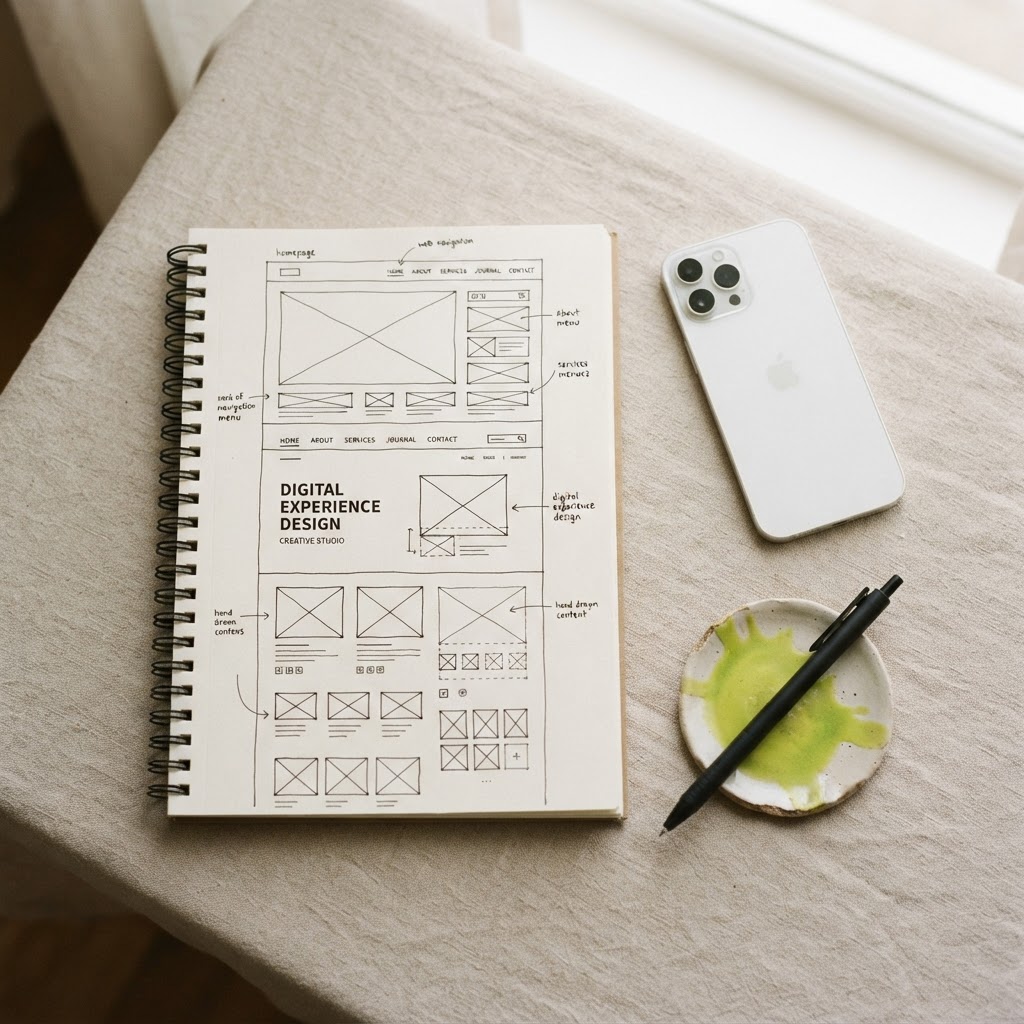
Four pages cover the ground for the majority of trades and local services. A homepage that tells people what you do and where, fast. A services page that goes into enough detail to answer "do you actually do the specific thing I need?". An about page that makes you feel like a real, contactable business rather than a placeholder. A contact page with phone, email, form, hours, and service area. That's the spine. A site with just these four, done well, will outperform a site with twenty pages done poorly.
The pages some businesses should add
Individual service pages, if you offer distinct things that each deserve their own explanation — "hot water repairs" and "roof plumbing" are different enough searches that they want different pages. A blog or news section, if you'll actually write in it; it helps with search over time but only if it's alive. A gallery or portfolio, if your work is visual — for trades, builders, landscapers, stylists. A testimonials or reviews page, if you have enough real ones to fill it. A FAQ, if the same questions come up enough that answering them once saves you phone time. Each of these earns its place only if you can fill it with real content.
The pages almost no small business needs
A "Team" page with one person. A "Careers" page with no open roles. A "Press" page with no press. A "Partners" page that's a logo grid. Empty blog sections with one post from two years ago. Every one of these is a small lie — it tells a visitor "we meant to do this and didn't" — and it drags the whole site down a fraction. Skip them until they're true.
How pages affect search
More pages doesn't mean more traffic. What helps search is pages that each thoroughly answer a specific thing someone searches for. One well-written "hot water repairs in Brisbane's south" page beats five thin pages that each say a sentence. Depth on the right topics beats volume on the wrong ones. This is the part worth thinking about before you build, not after — and it's why "how many pages" is really "which topics do I have enough to say something real about".
If you want the flip side of this — what goes on the most important page — that's here: what to include on your business homepage.
Start small, add with reason
Begin with the four that always earn their place. Add a page only when you have enough real content to fill it and a real reason someone would visit it. A tight, honest site beats a sprawling, half-empty one every time. If you want to see what the right shape looks like for your business, the easiest way is a free mockup — pick a style below, tell us about what you do, and we'll show you a version with exactly the pages that earn their place, and none that don't.