
Website for a Real Estate Agent in Australia
An agent site has a split job: win listings and capture buyers. Most do one and ignore the other. Here's how to do both.
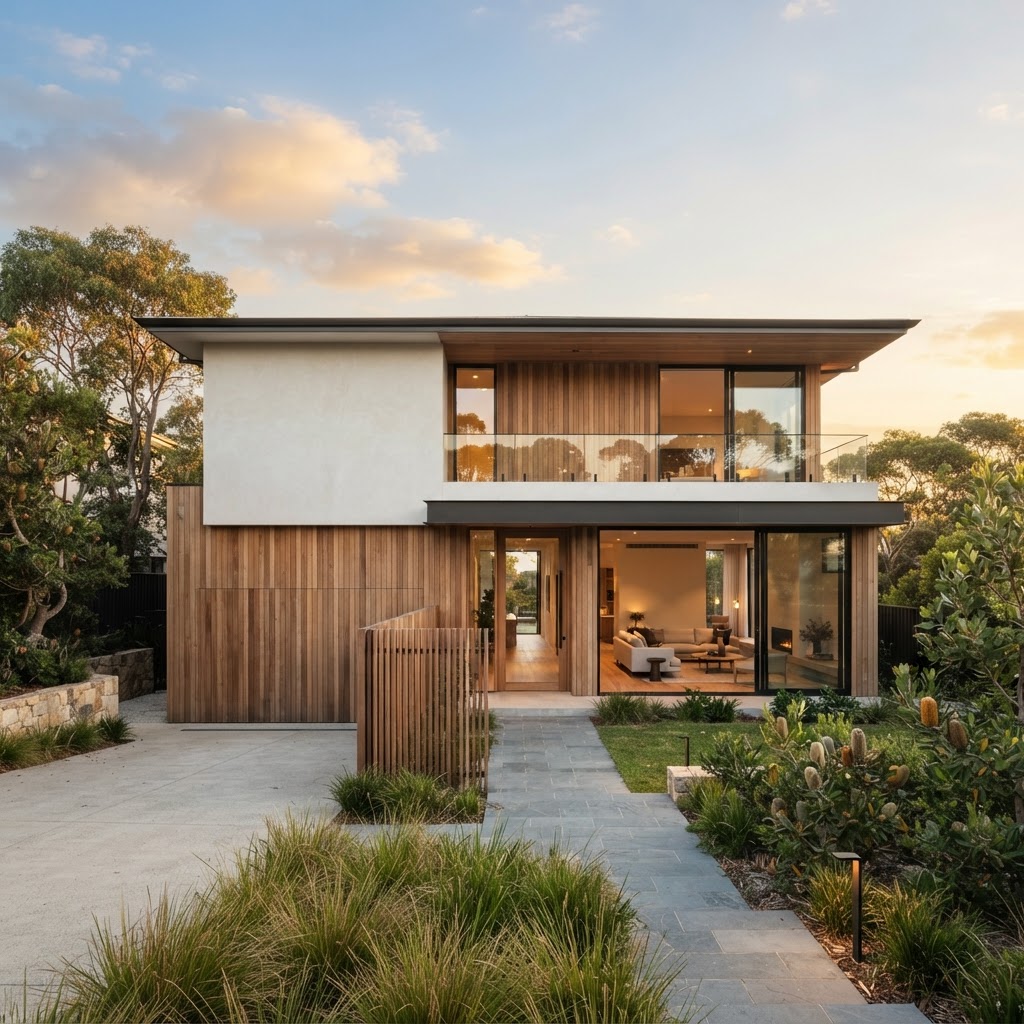
An agent's site has to do two things at once
A real estate agent's website has a split job that most get half-right. It has to win listings — convince a seller you're the agent who'll move their property — and it has to capture buyers — the people scrolling listings at 9pm who want to enquire. Two audiences, opposite needs, on one site. The sites that fail usually serve one and ignore the other, which means they're half a site earning half the business.
Here's how to do both.
For sellers: proof you can move property
A seller landing on your site is deciding whether to trust you with their biggest asset. What they want to see is results: recent sales, sold prices where you can show them, testimonials from real vendors, and a clear sense of the areas you work. Not a headshot and a paragraph about "local knowledge" — everyone says that. Recent, named, sold listings. This is the part that wins listings, and it's the part most agent sites under-invest in, because it takes effort to keep current.
For buyers: listings that load and enquire
A buyer on your site wants one thing: to look at properties and enquire about the ones they like. If your listings are slow, or the enquiry goes to a form nobody checks, or the photos are tiny, you lose the buyer to Domain or Realestate.com.au — which is where they were probably looking anyway. Your site's job for buyers is to be faster and easier than the portals for your own stock, and to capture the enquiry before it bounces.
Suburb-level content is the SEO
Buyers search by suburb. "apartments [suburb]", "houses for sale [suburb]". The agents who show up for those searches are the ones with suburb pages — a page per area you work, with a sentence on the area, the current listings, and recent sales. This is the single highest-leverage SEO work for an agent, and almost none of them do it. We wrote the broader playbook here: how to get a website that brings in customers.
The pages an agent site needs
A homepage that shows you're active — recent sales, current listings, the areas you cover. A listings page (or integrated feed). A sold-results page or section. Suburb pages, one per area. An about/team page — sellers want to know who they're dealing with. A contact page with a way to request an appraisal, obvious. That's the spine. (How many pages you need generally: how many pages a small business website should have.)
What to skip
Slideshows of stock houses. A "market update" blog with one post from 2023. Video backgrounds of drone footage that take ten seconds to load on mobile. Anything that makes the site slow, because a slow site loses both sellers and buyers before they've read a word. An agent site should load fast, show proof, and make enquiry easy.
What it costs
Real estate has higher budgets than most small businesses, but you don't need to spend like a national brand. A proper agent site — proof-led, listings-integrated, suburb-structured for search — sits below what most agents assume. The numbers: how much a website costs.
See yours before you pay
Pick a style below, tell us about your agency and your areas, and we'll mock up your site for free — no payment, no obligation. You'll see whether the version of your agency we'd put online is the one that wins both the listing and the buyer.